Blackjack Tables in New Zealand: Rules and Play
 Available in US
From marked betting areas to online screens, table formats shape how cards, wagers and player decisions are presented.

Table of Contents
- What a Blackjack Table Looks Like Online and Live
- Blackjack Rules, Table Variations and Payouts
- Online Blackjack Tables and New Zealand’s 2026 Licensing Transition
- How Table Rules Change Blackjack Strategy
- Betting, Chips and Electronic Blackjack
- When to Hit, Stand, Double Down or Split
- Choosing a Seat at a Blackjack Table
- Reading a Blackjack Card and Strategy Chart
- Using a Blackjack Cheat Sheet Without Treating It as a Guarantee
- Blackjack Table Limits and What the Rules Can Change
What a Blackjack Table Looks Like Online and Live
A blackjack table is easier to understand when you separate its playing surface from the screen around it. At a physical casino, the surface is a real table with a dealer’s area and marked positions for players. Online, the table may be a rendered image controlled by software, or a live video feed of a real dealer and real cards. Both formats present the same central scene, but they show it in different ways.
The physical table
A casino blackjack table is usually a curved surface with the dealer seated or standing along the straight side. The curved edge faces the players. Marked areas on the felt indicate where a player’s cards and wager belong; the dealer has a separate working area across from them. The precise design varies, but the layout makes the direction of dealing clear: the dealer handles the cards from one side, while each player has a defined space on the other.
The felt often carries printed labels or instructions. These identify the game and may show information relevant to the table, such as its available betting range or a payout notice. Those details are part of the particular table’s display, not a universal feature with fixed wording. If you are looking at a blackjack table at a casino, the markings help you distinguish the player areas from the dealer’s area before a hand begins.
Choosing a blackjack table in New Zealand means checking which operator’s details are relevant to you before you play. Use these brief notes as a starting point when reviewing your options.
License: 07017519840 · Payout speed: 1-3 business days Zotabet lists a licence number of 07017519840 and a payout speed of 1–3 business days. Check whether these details fit your needs before choosing a table.
Payout speed: 1-3 business days Lamabet lists a payout speed of 1–3 business days. Consider this information as you decide whether it suits your blackjack play.
License: Tobique Gaming Commission, licence no. 0000002 Ricky Casino lists a licence from the Tobique Gaming Commission, licence no. 0000002. You can use this licensing detail as one point of reference.
License: Tobique Gaming Commission, licence no. 0000064 Neospin lists a licence from the Tobique Gaming Commission, licence no. 0000064. This gives you a specific licensing detail to consider.
License: Tobique Gaming Commission, licence no. 0000091 7Bit Casino lists a licence from the Tobique Gaming Commission, licence no. 0000091. Keep this licensing information in mind as you review your options.
License: Malta Gaming Authority, licence no. MGA/B2C/370/2017 Play Grand lists a Malta Gaming Authority licence, no. MGA/B2C/370/2017. You can take this stated licence information into account when assessing the operator.
Payout speed: 1-3 business days Wintino lists a payout speed of 1–3 business days. This is a practical detail to consider when deciding whether it suits you.
License: Curaçao Gaming Authority, licence no. OGL/2024/165/0185 BitStarz lists a Curaçao Gaming Authority licence, no. OGL/2024/165/0185. You have a specific licensing detail to consider when reviewing the operator.
License: Malta Gaming Authority, licence no. MGA/B2C/394/2017 N1 Casino lists a Malta Gaming Authority licence, no. MGA/B2C/394/2017. Consider this stated licence information as part of your assessment.
A physical table also has equipment within the dealer’s reach. Depending on the setup, cards may be dealt from a shoe or another dealing device, and used cards may be collected separately. These objects are visible parts of the working space, not additional player positions. The table’s overall shape keeps the dealer, cards and player areas within a shared field of view.
With casino blackjack table players gathered around one surface, everyone can see the same dealer and the cards being handled. The view is direct: there is no camera framing or software-rendered representation between you and the table. The dealer’s movements, the felt markings and the other occupied positions all form part of the scene.
A software-rendered online table
An online blackjack table built around software recreates the table on a screen. The central area may show a digital dealer, a representation of the felt, and spaces where cards appear. Controls and status information sit around this scene. On a computer, some of these elements may be arranged beside or below the table; on a smaller screen, the same interface may be reorganised to fit.
The rendered table is a visual interface rather than a filmed physical surface. Cards and other game elements appear as the software processes the play. There is no live dealer’s hand visible in the room, and the image does not show a physical casino table being dealt in real time. This can make the display look orderly and compact: the program can reserve clear areas for cards, controls and information without having to accommodate real objects or people.
A casino-style online table can also include small interface labels, recent-play indicators or animated effects. These are screen elements, and their position depends on the game design. They should not be confused with markings printed on felt. If you open a free casino blackjack table in a demonstration mode, where one is offered, its visual layout may resemble the paid version while the surrounding controls identify the mode. The screen itself tells you which version is open.
A live-dealer table on screen
A live blackjack table combines a real table with an online interface. A camera streams an actual dealer handling actual cards, so the main view resembles standing across from a casino table. The stream shows the physical felt and dealing area, while digital elements are layered around the video for information and interaction.
The camera angle shapes what you can see. A wide view may include much of the table; a closer view may make the dealer’s hands and cards easier to follow while leaving more of the room outside the frame. On-screen labels and controls remain separate from the filmed scene. In effect, you are looking at two layers: the live table in the video and the software interface surrounding it.
A live-dealer table combines a real physical table and dealer with a digital software interface layered on top for interaction.
This format is not identical to being in the room. The video has to reach your device, and the stream can introduce a delay. Live streaming may also come with higher bets than a software-rendered game. These practical differences can affect how the table feels to use, even though the dealer is handling physical cards.
What to compare at a glance
When you open an online table, first identify what the central image represents. If cards and a dealer are generated within a graphic interface, it is a software-rendered game. If the screen shows a camera feed of a dealer handling cards, it is a live table. That distinction tells you whether you are seeing a simulated table or a physical one through video.
Then look at how the information is arranged. The felt or its digital equivalent shows the playing area; nearby controls and labels belong to the interface. At a physical casino, these elements are printed on the table or displayed separately. Online, they may move around when the screen changes size. In either setting, the table layout is a map of the scene: it shows where the dealer works, where player areas are located and which information belongs to the surface or to the surrounding display.
Blackjack Rules, Table Variations and Payouts
Blackjack is played against the dealer. Your aim is to make a hand total closer to 21 than the dealer’s hand without going over 21. The total comes from the values of the cards you hold; it is not the number of cards that determines how close a hand is to the target.
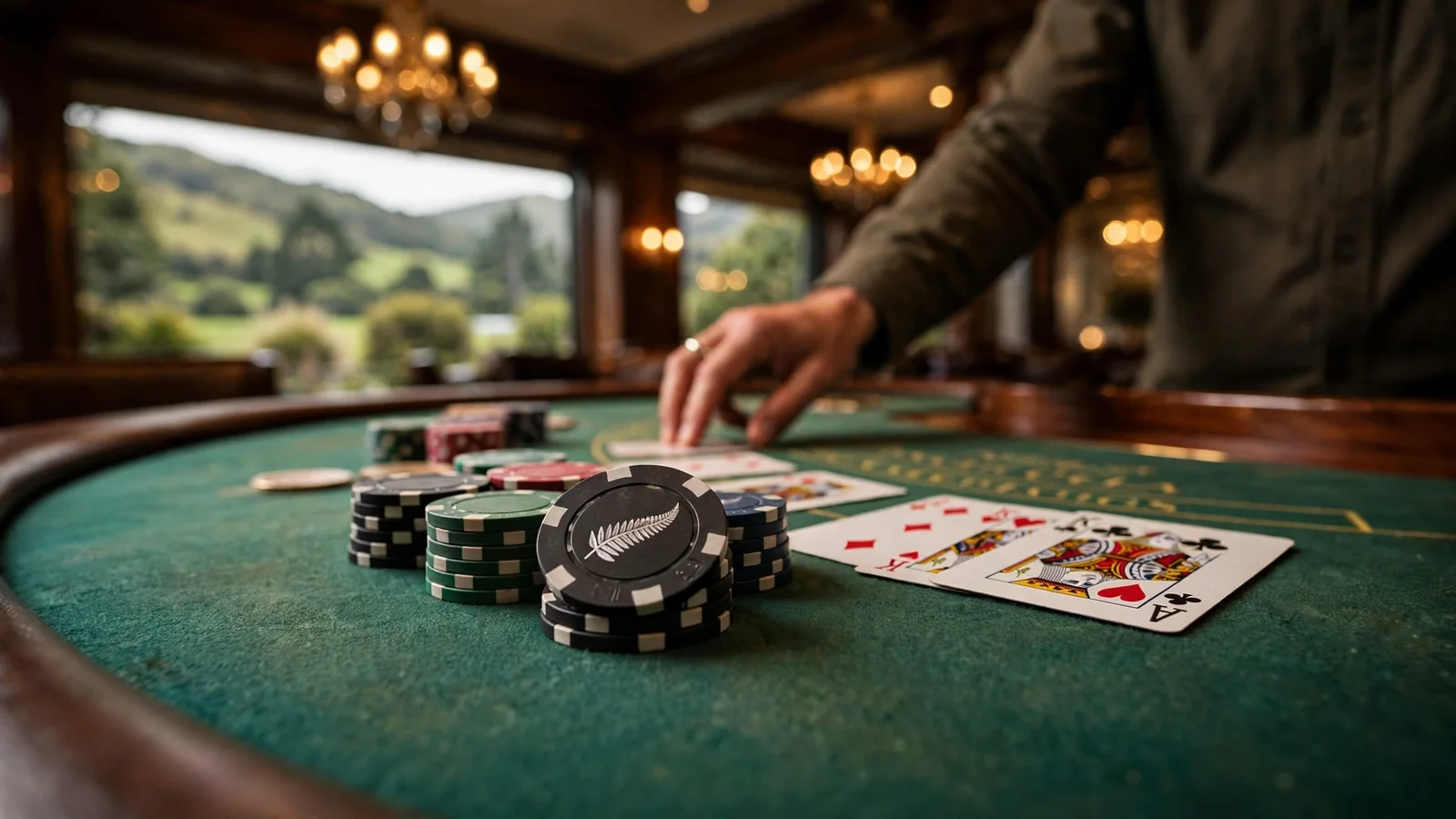
Number cards count at their face value, while each king, queen or jack counts as 10. An ace has a flexible value: it can count as either 1 or 11. This flexibility allows the same hand to have more than one possible total. For instance, an ace with a 6 can count as 7 or 17. When adding 11 would make the hand exceed 21, the ace can count as 1 instead. A hand whose ace is being counted as 11 is often described as soft; if the ace must count as 1 to keep the hand within the target, it is hard.
A natural blackjack is a two-card hand made up of an ace and a card worth 10. It is different from reaching the same total with additional cards, and the table’s payout terms determine how it is paid. A specialist review reports that some tables pay a natural at 3:2, while others use 6:5. These are payout ratios, not promises about how often a hand will occur. Check the game’s displayed terms before playing: a different ratio changes the return for the same qualifying hand.
The payout for a natural does not describe every possible outcome. The dealer’s hand, your total and the table’s rules all matter to how a round is settled. In particular, a hand that exceeds 21 cannot meet the stated aim of finishing at or below the target. The exact treatment of other outcomes should be read in the rules shown for that game rather than inferred from its name.
Attention A natural blackjack payout (such as 3:2 or 6:5) is a payout ratio, not a guarantee of how often such a hand will occur.
Rules that differ between tables
Blackjack does not have one universal set of table rules. A specialist review notes that games can differ in deck count, dealer behaviour on soft 17, surrender availability and blackjack payouts. These are conditions of the game, not details you can safely assume from the word “blackjack” alone.
Deck count describes how many decks are used in the game. It does not change the printed value of any card, but it is part of the table’s rule set. The dealer’s instruction on soft 17 is another condition to check. A soft 17 is a hand totalling 17 with an ace counted as 11, such as an ace with a 6. Depending on the rules, the dealer may be required to take another card or to stop on that total. This changes what the dealer does; it does not change the value of the cards in your hand.
Surrender is not available under every set of rules. Where it is offered, the table’s terms specify whether and how it can be used. The same principle applies to other permitted actions: available options depend on the game’s rules. If a table does not allow a particular action, you cannot assume that a general description of blackjack overrides that restriction.
Read the displayed terms, not just the game name
When comparing casino blackjack table rules, separate the information into three parts: card values, dealer instructions and settlement terms. Card values explain how totals are formed. Dealer instructions tell you whether the dealer must continue on a soft 17. Settlement terms state how a natural blackjack is paid and identify other rule conditions, such as surrender.

The phrase “table price” is not a standard description of a blackjack rule or payout. If you encounter it while looking at a game, check what the page actually means rather than treating it as a fixed charge or a universal blackjack term. A table’s rules and payout are stated game conditions, and they can differ from those of another table.
This also matters when a description refers to a table where doubling down is unavailable. That wording identifies a restriction on an action, not a different card-value system or a guaranteed way to win. The hand is still assessed against the dealer under the stated rules, and the payout for a natural remains the one specified by that table. Before a round begins, confirm the rules and payout attached to the particular game you have opened.
Online Blackjack Tables and New Zealand’s 2026 Licensing Transition
An online blackjack table is part of a wider service: the game is delivered through a website or app, while the provider’s legal status depends on New Zealand’s changing online casino framework. The Online Casino Gambling Act 2026 created the country’s first domestic licensing system for online casino gambling. Its commencement began a transition rather than an immediate move to a fully operational licensing market.
Before the Act, online casino services based outside New Zealand were not licensed or supervised by a New Zealand regulator. A customer who had a dispute with an offshore website therefore had no domestic government recourse. The Gambling Act 2003 did not permit online casinos to be based in New Zealand, and domestic online casinos remain prohibited under that law. The new Act changes the regulatory structure by establishing a route for domestic licensing; it does not mean that every online blackjack table is already covered by a New Zealand licence.
Legal Compliance
Providers that have not applied for a licence must stop conducting online casino gambling in New Zealand by 1 December 2026.
What the transition means
The Act came into force on 1 May 2026 and set a transitional period ending on 1 December 2026. During that period, providers that were already serving people in New Zealand before the Act commenced may continue operating, subject to the Act’s transitional provisions. This is a temporary permission for existing providers, not evidence that each one has received a domestic licence.
The distinction matters when you encounter an online casino table described as available to New Zealand players. Availability alone does not establish that the service holds a New Zealand licence. The full licensed online casino regime is not expected to be fully operational until 2027, so the transition period and the later licensing system are separate stages.
Providers that have not applied for a licence must stop conducting online casino gambling in New Zealand by 1 December 2026. If a provider’s application is declined, it must end its online casino gambling operations in the country and leave the market. Unlicensed operation is expected to become an offence around mid-2027. These milestones describe obligations for providers; they should not be confused with a rule that makes an individual customer criminally liable for using an offshore site.
Advertising has its own transition constraint. Online casino gambling services must not be advertised to people in New Zealand during the transition period. Under the licensing framework, advertising by licensed operators is permitted only within tight rules, and sponsorships are prohibited. These restrictions concern how services may be promoted, not how a blackjack hand is played.
Which authority does what
The Department of Internal Affairs is New Zealand’s primary gambling regulator and oversees regulation of the online casino licensing framework. The Gambling Commission has a different, specific function: it hears and determines casino licensing applications, issues online casino licences, and approves changes to licence conditions.
In practical terms, the Department’s role is oversight of the framework, while the Commission makes decisions about applications and licence conditions. A provider’s application is therefore not the same thing as an issued licence, and a change to a licence condition is not simply a provider’s internal decision. The framework assigns those decisions to the Commission.
When assessing what a blackjack table’s online availability means, separate three things: whether the service can be accessed, whether it is operating under transitional permission, and whether it has been granted a New Zealand licence. Those statuses are not interchangeable. The dates set the boundaries of the transition, while the Department and Commission have distinct oversight and decision-making responsibilities within the new system.
How Table Rules Change Blackjack Strategy
Blackjack strategy is conditional: a decision that fits one set of rules may not fit another. The reason is that rules change how often particular outcomes occur and how much those outcomes are worth. That can alter both the best response to a hand and the game’s house edge. A strategy reference is therefore useful only when its assumptions match the table you are playing.
Verify Table Rules
- Check the number of decks used
- Confirm if the dealer hits or stands on soft 17
- Verify if surrender is available
- Check the payout ratio for a natural blackjack
Before relying on a basic strategy for a blackjack table, check the rules that affect decisions and payouts. These can include the number of decks, how the dealer handles a soft seventeen, whether surrender is allowed, and the payout for a natural blackjack. A different rule can change the relative value of a choice even when your cards and the dealer’s visible card are unchanged. The effect is not necessarily obvious from the table layout or game name; the displayed rules are the useful comparison.
A blackjack pay table is relevant to strategy because payout terms affect the value of the possible results. If a reference assumes one natural-blackjack payout but the table offers another, its recommendations may not fit the game exactly. The same applies when a reference assumes a particular dealer rule or surrender option. Treat strategy as a model tied to stated conditions, not as a universal set of instructions.
A blackjack probability table can help describe how likely different outcomes are under a defined set of rules. It does not predict what will happen in a particular hand. Probabilities describe patterns across many possible outcomes, while each hand remains uncertain. If the table conditions differ from those used to prepare the reference, the figures or recommendations may no longer describe that game accurately.
Surrender is one example of why rule details matter. A surrender table is meaningful only where surrender is permitted and where its timing and conditions match the reference. If the option is unavailable, advice that depends on it cannot be followed. Similar mismatches arise when a strategy assumes a dealer will stand on soft seventeen but the table requires the dealer to hit. These differences are reasons to check the rules before play, rather than to assume that a familiar chart applies unchanged.
The aim of basic strategy is to make decisions that are mathematically appropriate for the specified game conditions. It cannot remove the house edge or guarantee a favourable result. Nor does a short-term run of wins or losses show that a strategy has changed the underlying odds. Systems that promise certainty confuse a decision method with an outcome guarantee.
Card counting is a separate concept from basic strategy. Basic strategy responds to the hand and the rules; card counting uses information about cards already seen to adjust estimates of what may remain. In New Zealand, using mental calculation alone to count cards is not illegal. That legal point does not establish that counting will work in every setting, and it is not a claim that it is effective in online games with automatic shuffles.
Use any reference as a guide, then confirm that its assumptions fit the table. Read the conditions and fine print on trustworthy sites and casinos, especially if play is connected to a promotion: blackjack may count differently toward wagering requirements, and maximum-bet rules may apply during wagering. Set a budget before playing and do not chase losses. A sound decision process can help you understand the game, but it cannot control the cards or promise a profit.
Blackjack Strategy
- Strategy is conditional and must match the specific table rules
- Basic strategy manages decisions mathematically but cannot remove the house edge
- Card counting is legal in New Zealand but may be ineffective in automatic online shuffles
- Always confirm wagering requirements and maximum-bet rules when using promotions
Betting, Chips and Electronic Blackjack
At a physical blackjack table, chips show the amount you have placed as your wager. You put them in the marked betting area before a hand begins; the dealer then handles the cards and settles the wager when the hand is complete. The chips make the amount visible to both you and the dealer, while the table’s posted conditions explain what applies to that game.
An electronic blackjack table replaces physical chips and cards with on-screen controls. You select a wager using the interface, and the game displays the amount associated with your hand. The balance and bet are shown digitally, so there is no need to exchange or move chips. The controls and pace depend on the game, but the basic role of the wager remains the same: it is the amount committed to that hand.
Software-shuffled and live-dealer games
An online RNG blackjack game uses software to shuffle and deal the cards. Because the process is automated, hands can move faster than in a live-dealer game. You interact with the game through the screen, and the software manages the sequence of play and settlement.
In a live-dealer game, actual cards are dealt and the action is streamed to your device. The stream connects your decisions and the dealer’s actions, so playback or transmission delays can slow the pace compared with software dealing. Some live tables may also require higher bets than other games. These are differences in how the game is delivered, not a change to what a wager represents.
Speed affects how quickly you can make successive wagers. An automated game may present the next hand soon after the previous one is settled; a live stream has to accommodate the dealer and the video feed. A faster sequence can make it easier to place wagers without pausing to review each one. The controls may be quick, but the amount selected is still a real choice, so check it before confirming.
Keeping the wager clear
Before playing for money, set a budget and treat it as a firm boundary. Do not increase wagers to try to recover losses: a previous hand does not determine the result of the next one. Keep track of the amount selected on screen or represented by your chips, particularly when moving between games with different interfaces.
If a promotion is involved, read its fine print and bonus conditions before accepting it. Blackjack may contribute differently to wagering requirements, and maximum bet rules may apply while wagering. A bet that appears available in the game may therefore be treated differently under the promotion’s terms. Check those conditions rather than assuming that every blackjack wager counts in the same way.
Whether you use a physical betting area, a digital balance or a live stream, the practical distinction is where the wager is displayed and how quickly the game proceeds. The interface does not remove the need to understand the amount you have committed or the conditions attached to play.
When to Hit, Stand, Double Down or Split
During a blackjack hand, you choose whether to take another card or keep the hand as it stands. A hit adds a card to your hand. A stand ends your turn, leaving the total unchanged while the dealer completes the hand. The choice depends on the cards already dealt and the game’s rules; there is no single action that fits every hand.
- Use hit-or-stand tables as a reference
- Match chart assumptions to the current game rules
- Confirm if an action like doubling or splitting is permitted
- Treat strategy charts as automatic instructions
- Assume a chart can predict the next card
- Apply a recommendation if the table rules forbid that action
A blackjack hit-or-stand table can help you compare the hand you hold with the dealer’s visible card and find a suggested action. Treat it as a reference, not an automatic instruction. The table may assume particular rules, and its recommendation may not apply if your game uses different conditions. It also cannot control which card comes next.
Other actions during a hand
Some hands allow you to double down: you increase your original wager and receive a further card, after which your turn ends. This makes the decision more constrained than a hit, because you commit to one card rather than continuing to draw. Whether the option is available, and when it can be used, depends on the table rules.
You may be able to split when your first two cards form a pair. Splitting separates them into two hands, each played in turn. It changes one hand into two, so consider both the extra decision-making and the additional wager the action may involve. The table’s rules determine which pairs can be split and how the resulting hands proceed.
Surrender is another possible action at some tables. It lets you give up the hand under the conditions set by that game. Since surrender is not available everywhere, check the table information before relying on it.
Make the decision in sequence
First identify the cards in your hand and the dealer card shown. Then check which actions the table permits in that situation. If you are choosing between hitting and standing, ask whether another card is worth taking given the current hand; if you are considering doubling or splitting, check the specific conditions before committing. A chart can organise these choices, but it does not remove the need to match its assumptions to the table.
The label on a table does not, by itself, establish its maximum bet. Read the displayed limits and rules for that game rather than inferring a maximum from the amount associated with its entry level. Keep each action separate from the next: decide what the hand calls for, confirm the option is allowed, then act.
Choosing a Seat at a Blackjack Table
The best place to sit at a blackjack table is a matter of visibility and comfort, not a way to improve your chance of winning. Blackjack is played against the dealer, and your aim is to finish closer to 21 without going over. Your position around the table does not change that aim or make the cards more favourable.
At a physical table, choose a spot where you can see the dealer and the cards clearly. Check that the layout is not obscured from your view and that you can follow the action without leaning across other players. If you need to ask the dealer a question or confirm what to do, a seat with a clear line of sight can make that interaction easier.
Your position at a blackjack table affects your visibility and comfort, but it does not change the odds of winning or the dealer’s cards.
Consider how much activity you want around you. A seat beside other players may make it easier to observe the pace of the table, but it can also mean more conversation and movement in your peripheral vision. A position with fewer distractions may suit you better if you prefer to concentrate on your own hand. Neither arrangement changes the outcome of the game; it changes only what the experience feels like for you.
The order in which players act can also affect your comfort. If you would rather watch a hand develop before your turn, take a moment to notice where play begins and how it moves around the table. If you prefer not to wait as long to act, you may favour a position that comes earlier in that sequence. This is a preference about timing, not a strategic advantage: the dealer’s cards and the game’s results are not determined by where you sit.
At an online table, the same practical question becomes one of screen layout. Choose a view in which your hand, the dealer’s hand and any action controls are easy to distinguish. If the interface feels crowded or difficult to follow, changing the display or selecting another table may make the session clearer. Do not confuse a clearer screen with better odds.
Before settling into any seat, make sure you can follow the table and feel comfortable staying attentive. If the position makes it difficult to see, hear or act without confusion, another seat may be more suitable. There is no universal best seat at blackjack tables: choose the position that lets you understand what is happening and make your own decisions without distraction.
Reading a Blackjack Card and Strategy Chart
A blackjack strategy chart is a lookup table: one side identifies your hand, while the other identifies the dealer’s visible card. The cell where they meet shows a suggested action for that combination. To read it correctly, first work out what your hand is; the chart cannot interpret the cards for you.
Number cards keep their printed values, face cards count as 10, and an ace can count as either 1 or 11. This means a hand containing an ace may have two possible totals. Charts often distinguish these “soft” hands from hands where the ace must count as 1 to avoid exceeding 21. A pair may also have its own row because some charts treat pairs separately from other hands with the same total.
Find the row matching your hand type and the column matching the dealer’s upcard. Then read the cell at their intersection. The chart may use abbreviations for actions such as hit, stand, double down or split. Check its key before applying those symbols: shorthand and layout can differ between charts. If your hand does not fit a row exactly, do not force it into a nearby category.
A blackjack table chart is not universal. The recommended action can depend on the game’s rules, and blackjack variants differ in ways that affect strategy and the house edge. A chart made for one set of conditions may therefore give unsuitable guidance at another table. Check which rules the chart assumes and compare them with the rules for the game you are playing.
Reading a Chart
Determine your total and identify if it is a “soft” hand (containing an ace) or a pair.
Look at the dealer’s visible upcard.
Locate the row for your hand and the column for the dealer’s card to find the suggested action.
Ensure the chart’s assumed rules match the specific table you are playing.
Treat the chart as a reference for a particular hand, not as a forecast of what will happen next. It describes a choice associated with the listed situation; it cannot determine the cards that will be dealt or guarantee an outcome. If a cell is unclear, pause to confirm the chart’s notation rather than guessing. The card values are the starting point: accurate classification of your hand is what makes the chart readable.
Using a Blackjack Cheat Sheet Without Treating It as a Guarantee
A blackjack cheat sheet is a compact prompt for decisions during a hand. It can help you recall whether a reference recommends hitting, standing, doubling down or splitting in a particular situation. Treat it as an aid, not an instruction that applies at every table: the recommendation depends on the conditions for which the sheet was prepared.
Before relying on one, check whether its assumptions match the game in front of you. A specialist review notes that games can differ in their deck setup, how the dealer handles a soft seventeen, whether surrender is permitted, and the payout for a natural blackjack. A sheet based on different conditions may therefore point to a decision that does not fit your table. If the reference does not state what rules it assumes, you cannot reliably tell whether its advice applies.
Keep the sheet easy to consult, but use it only after identifying the relevant hand and the available options. If a suggested action is not permitted by the table, the reference cannot make it available. Likewise, a suggestion tied to a particular rule set should not be carried over automatically when that condition changes. The sheet narrows what you need to consider; it does not remove the need to read the table’s rules.
A blackjack table cheat sheet is also not a forecast of what the next card will be or a promise of a particular result. It is a reference for choosing among possible actions under stated assumptions. Even when those assumptions match, the outcome of an individual hand can differ from the recommended choice’s expected purpose. Use the sheet to support a decision, then judge it against the actual rules rather than treating it as a guarantee.
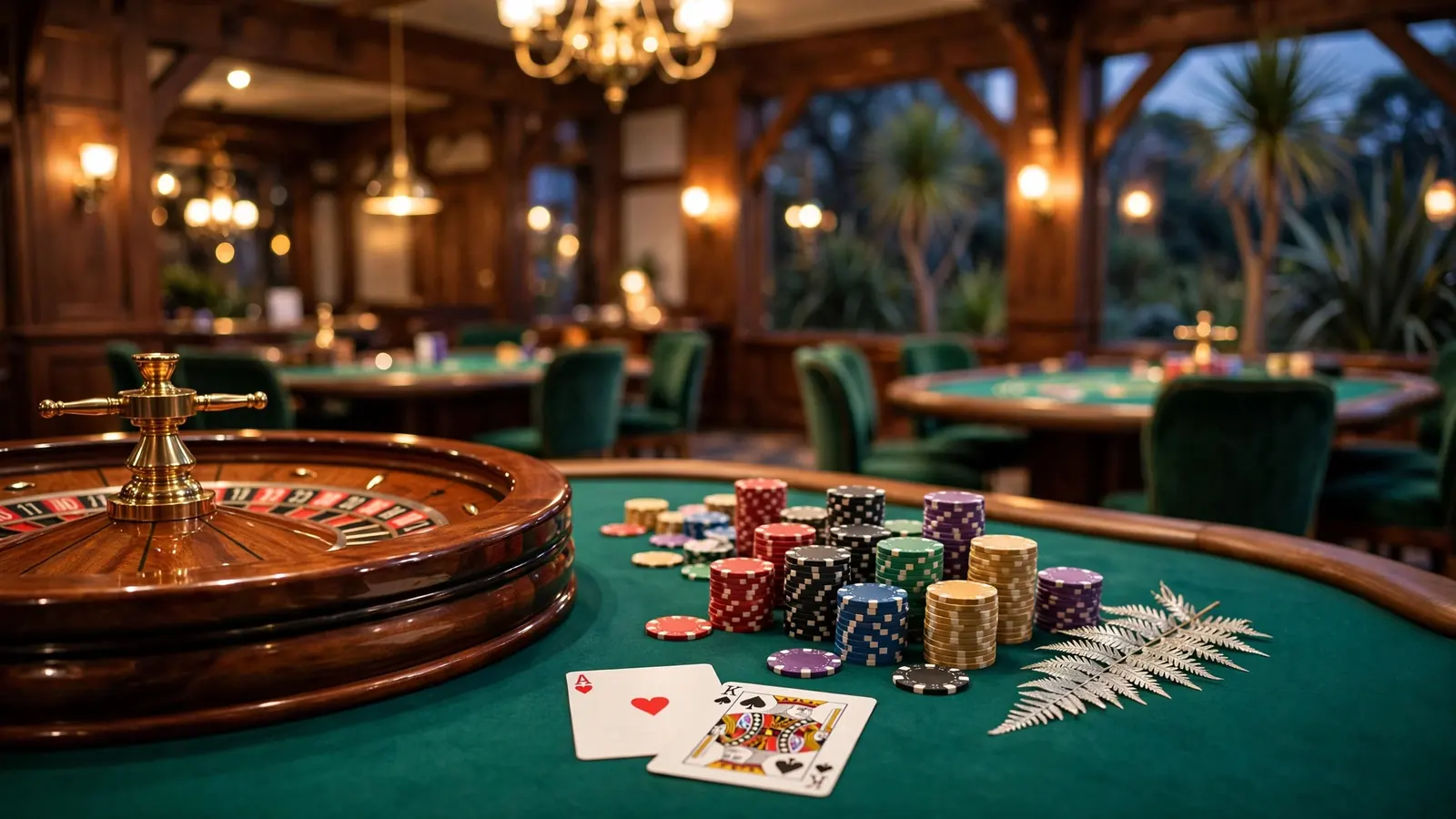
Blackjack Table Limits and What the Rules Can Change
A blackjack table does not have one universal set of limits or conditions. The displayed betting range applies to that particular game, while its rules determine how hands are treated and paid. Check both before you sit down or join an online table: a familiar game name does not guarantee identical terms.
The table information should state the permitted minimum and maximum bets. Those figures can differ between tables, so do not assume that a maximum shown elsewhere applies here. If the limit is unclear, check the game’s information panel or the operator’s terms before playing. The same applies to special conditions that affect a wager or a payout.
Rules can vary too. The number of decks, whether the dealer draws on soft seventeen, surrender availability and the payout for a natural blackjack may differ from one game to another. A specialist review describes tables with different blackjack payouts, but that should not be taken as a current rule for every table. Confirm the payout shown for the specific game you are considering.
These details are connected: a change to a rule can alter the house edge and may affect which strategy is appropriate. A table with a different payout or dealer rule is therefore not necessarily equivalent to another table, even if both are labelled blackjack. Comparing the stated conditions is more useful than relying on the game title alone.
Read the fine print and any bonus conditions on trustworthy sites and casinos before playing for real money. Blackjack may count differently towards wagering requirements, and maximum-bet rules can apply while those requirements are active. Check those terms alongside the table’s own limits. Set a budget before play and do not chase losses; a table limit describes what the game permits, not what you need to wager.
Created by the ”Casinospaymentshub” editorial team.